
Blog Posts
- Should You Keep Watering Your Garden in the Fall? Absolutely!
- Is It Too Late to Plant Trees and Shrubs in Connecticut?
- Fall Garden Cleanup in Connecticut: What to Clear and What to Leave Behind
- What to Cut Back in Fall (and What to Leave Until Spring)
- Spring Bulbs in Connecticut: Plant in Fall for Spring Color
- Your October Garden Checklist for Connecticut
- Fall Events at Moscarillo’s: Pumpkins, Kids’ Activities & Fall Planting
- Fall Color for Your Doorstep
- Bring on the Color: Trees & Shrubs for a Beautiful Fall Landscape
- Deer- and Rabbit-Resistant Perennials for Connecticut Gardens
- How to Revive a Tired-Looking Summer Garden
- How to help Trees and Shrubs survive a hot New England summer
- Heat-Tolerant Plants for Connecticut Gardens
- Bring the Buzz: Attracting Pollinators to Your Connecticut Garden
- Our 2026 Hydrangea Varieties
- 🌿 Celebrate Houseplant Month This January at Moscarillo’s
- The Best Christmas Plants to Brighten Your Home This Holiday Season
- Best Houseplants for Low-Light Winter Homes 🌿
- Winter Garden Prep: Connecticut
- Moscarillo’s Holiday Magic
- Sustainable Landscapes
- Pollinator Party
- What to Plant in April and May in Connecticut: A Vegetable Gardener’s Guide
- Revive Your Spring Planters: The Best Plants for a Stunning Seasonal Display
- How to Start an Herb Garden for Your Home
- How to Attract Pollinators to Your Garden This Spring
- Seed Starting 101
- Winter Houseplant Care: Keeping Your Green Friends Happy and Healthy
- Survive the Winter Blues with Houseplants! 🌱
- Poinsettia Care 101: How to Keep This Christmas Classic Thriving
- How to Choose the perfect Mum
- MUMS – How often and how do I water them?
- Fall Hydrangea Care: Deadheading and Preparing for Winter
- The Best Houseplants for Fall:
- Blooming Savings: Our Summer Customer Appreciation Event
- Savor Summer Freshness: Explore Our West Hartford Farmstand
- Embrace Sustainable Living: Fun Steps to Make a Big Impact 🌍✨
- How to Care for Rhododendrons
- Unlock the Beauty of Pansies: A Guide to Care and Planting
- Pruning in the Spring
- Seed Starting Guide
- Planting Dates for Spring
- Exploring the Enigmatic World of Rare and Exotic Plants
- Nurturing Greenery with Caution: A Guide to Pet-Safe Houseplants
- Creating a Pet-Friendly Oasis
- The Scary task of Nurturing the Fickle Fiddle Leaf Fig
- Navigating Common Plant Quandaries with Ease
- Mastering the Art of Calathea Care: A Guide to Taming the Leafy Divas
- Resilient Beauty: Caring for a Cactus
- Introducing: Easy to Care for Plants 🌱
- January is… Houseplant Month 2024!
- Winter Landscape Tips
- Lavender & Rosemary – Taking the stress away
- Attention → Your favorite holiday plants! (poinsettias, cypress, christmas cactus, oh my!)
- Transitioning Plants Indoors
- Pollinator Plants
- Landscape Recommendations
- Herbs & Vegetables at Moscarillo’s
- Want Privacy? Consider Arborvitae!
- Starting your Vegetable Garden
- Roses at Moscarillo’s
- Mulching
- Refresh your Landscape
Should You Keep Watering Your Garden in the Fall? Absolutely!
As temperatures begin to cool and leaves start falling across Connecticut, it’s tempting to put away the garden hose and call it a season. After all, plants are slowing down, summer heat is behind us, and winter is just around the corner.
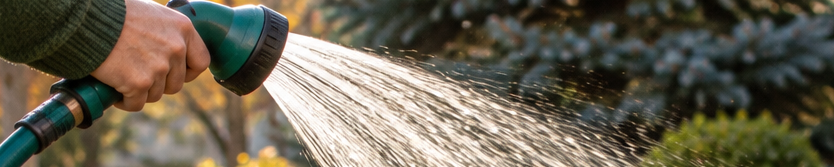
But here’s something many gardeners overlook: your plants still need water in the fall, even when they don’t look like they’re actively growing!
In fact, keeping your landscape properly hydrated before winter can make a big difference in how healthy everything looks come spring.
Why Fall Watering Is So Important
While cooler temperatures mean plants generally need less water than they did during summer, their roots are still active as long as the soil hasn’t frozen.
During autumn, trees, shrubs, and perennials are preparing for winter. Having adequate moisture in the soil helps protect their roots from freezing temperatures and reduces stress during the colder months.
And just because we’ve had a few chilly mornings doesn’t mean the soil is getting enough moisture. Connecticut can experience surprisingly dry stretches in October and November, making supplemental watering especially important.
The tricky part? Damage from fall drought often doesn’t show up until spring. Browning foliage, delayed growth, and struggling plants can all be signs that your landscape went into winter too dry.
What Plants Need the Most Attention?
Not every plant needs the same amount of water, but a few deserve some extra attention before winter arrives.
Newly Planted Trees & Shrubs: Anything planted this season is still establishing its root system. Consistent moisture is essential for helping these plants settle in before winter.
Evergreens: Arborvitae, boxwoods, rhododendrons, and other evergreens continue losing moisture through their foliage during winter. Entering the season too dry can contribute to winter burn and browning.
Hydrangeas & Perennials: Shallow-rooted plants can be especially vulnerable during dry conditions. Keeping their root zones hydrated helps reduce winter stress.
Established Trees & Shrubs: Even mature plants can benefit from a deep watering when fall rainfall is scarce.
How Much Should You Water?
The good news is that fall watering doesn’t need to be complicated!
Rather than following a strict schedule, pay attention to the weather and soil conditions. If Connecticut has been receiving consistent rainfall, you may not need to water much at all.
An easy way to check? Dig down about 4–6 inches into the soil. If it feels dry, it’s probably time for a good soak. If it’s already moist, hold off.
When watering, focus on giving plants a slow, deep soaking rather than frequent, shallow watering. This allows moisture to reach the root zone where it’s needed most.
Whenever possible, water during the warmer part of the day, especially as nighttime temperatures begin dipping toward freezing.
And remember, more water isn’t always better! Saturated soil can cause just as many problems as overly dry soil.
When Can You Finally Put the Hose Away?
Here’s the general rule for Connecticut gardens: Continue watering as needed until the ground freezes.
A light frost doesn’t mean it’s time to stop! As long as the soil is workable and temperatures allow, your plants can still benefit from moisture.
So before you officially close up the garden for the season, give your trees, shrubs, and perennials a little attention. A few extra watering sessions this fall could mean healthier plants and fewer surprises next spring.
Have questions about preparing your Connecticut landscape for winter? Stop by Moscarillo’s Garden Shoppe in West Hartford or Torrington. We’re always happy to help you keep your garden thriving, no matter the season!