
Blog Posts
- Should You Keep Watering Your Garden in the Fall? Absolutely!
- Is It Too Late to Plant Trees and Shrubs in Connecticut?
- Fall Garden Cleanup in Connecticut: What to Clear and What to Leave Behind
- What to Cut Back in Fall (and What to Leave Until Spring)
- Spring Bulbs in Connecticut: Plant in Fall for Spring Color
- Your October Garden Checklist for Connecticut
- Fall Events at Moscarillo’s: Pumpkins, Kids’ Activities & Fall Planting
- Fall Color for Your Doorstep
- Bring on the Color: Trees & Shrubs for a Beautiful Fall Landscape
- Deer- and Rabbit-Resistant Perennials for Connecticut Gardens
- How to Revive a Tired-Looking Summer Garden
- How to help Trees and Shrubs survive a hot New England summer
- Heat-Tolerant Plants for Connecticut Gardens
- Bring the Buzz: Attracting Pollinators to Your Connecticut Garden
- Our 2026 Hydrangea Varieties
- 🌿 Celebrate Houseplant Month This January at Moscarillo’s
- The Best Christmas Plants to Brighten Your Home This Holiday Season
- Best Houseplants for Low-Light Winter Homes 🌿
- Winter Garden Prep: Connecticut
- Moscarillo’s Holiday Magic
- Sustainable Landscapes
- Pollinator Party
- What to Plant in April and May in Connecticut: A Vegetable Gardener’s Guide
- Revive Your Spring Planters: The Best Plants for a Stunning Seasonal Display
- How to Start an Herb Garden for Your Home
- How to Attract Pollinators to Your Garden This Spring
- Seed Starting 101
- Winter Houseplant Care: Keeping Your Green Friends Happy and Healthy
- Survive the Winter Blues with Houseplants! 🌱
- Poinsettia Care 101: How to Keep This Christmas Classic Thriving
- How to Choose the perfect Mum
- MUMS – How often and how do I water them?
- Fall Hydrangea Care: Deadheading and Preparing for Winter
- The Best Houseplants for Fall:
- Blooming Savings: Our Summer Customer Appreciation Event
- Savor Summer Freshness: Explore Our West Hartford Farmstand
- Embrace Sustainable Living: Fun Steps to Make a Big Impact 🌍✨
- How to Care for Rhododendrons
- Unlock the Beauty of Pansies: A Guide to Care and Planting
- Pruning in the Spring
- Seed Starting Guide
- Planting Dates for Spring
- Exploring the Enigmatic World of Rare and Exotic Plants
- Nurturing Greenery with Caution: A Guide to Pet-Safe Houseplants
- Creating a Pet-Friendly Oasis
- The Scary task of Nurturing the Fickle Fiddle Leaf Fig
- Navigating Common Plant Quandaries with Ease
- Mastering the Art of Calathea Care: A Guide to Taming the Leafy Divas
- Resilient Beauty: Caring for a Cactus
- Introducing: Easy to Care for Plants 🌱
- January is… Houseplant Month 2024!
- Winter Landscape Tips
- Lavender & Rosemary – Taking the stress away
- Attention → Your favorite holiday plants! (poinsettias, cypress, christmas cactus, oh my!)
- Transitioning Plants Indoors
- Pollinator Plants
- Landscape Recommendations
- Herbs & Vegetables at Moscarillo’s
- Want Privacy? Consider Arborvitae!
- Starting your Vegetable Garden
- Roses at Moscarillo’s
- Mulching
- Refresh your Landscape
Is It Too Late to Plant Trees and Shrubs in Connecticut?
As the temperatures drop and the leaves begin to fall, many Connecticut homeowners assume their planting season is over. But here’s some good news: fall can still be a great time to plant trees and shrubs!
While spring often gets all the attention when it comes to landscaping, autumn offers some unique advantages. The trick is knowing what to plant, when to plant it, and how to give your new additions the best chance of success.
Why Fall Is a Great Time for Planting
One of the biggest advantages of fall planting in Connecticut is the cooler weather. Unlike summer, when intense heat can stress newly planted trees and shrubs, fall brings milder temperatures that make the transition easier.
Even as temperatures drop and plants begin entering dormancy, their roots can continue growing while the soil remains warm enough. This allows them to start establishing themselves before winter and gives them a head start when spring arrives.
Plus, with less heat and generally more favorable growing conditions, fall can be a much more comfortable time to tackle those landscaping projects you’ve been putting off!
So, How Late Is Too Late?
There’s no single cutoff date for planting trees and shrubs in Connecticut. It depends on the weather, soil conditions, and the type of plant you’re working with.
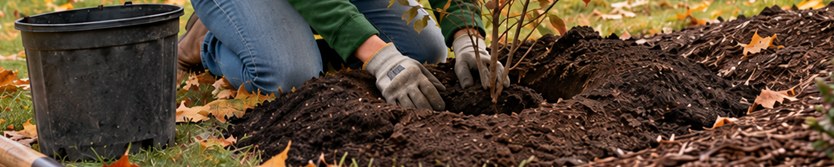
Ideally, trees and shrubs should have at least six weeks to establish roots before consistently freezing conditions arrive. However, October can still offer planting opportunities, particularly for container-grown deciduous trees and shrubs.
A few things to keep in mind:
-
Deciduous trees and shrubs: Plants that lose their leaves in winter are generally better candidates for late-season planting.
-
Evergreens: Arborvitae, rhododendrons, and other evergreens are more vulnerable to winter drying. They’re best planted in early to mid fall or in spring.
-
Larger trees: Balled-and-burlapped specimens benefit from a longer establishment period, making earlier planting preferable.
-
Location matters: Gardens in colder parts of northern Connecticut may have a shorter planting window than those closer to the shoreline.
And remember, a little frost on the lawn doesn’t necessarily mean the ground is frozen! However, if winter is quickly approaching, waiting until spring may be the safer choice for some plants.
Tips for Successful Fall Planting
If you’re adding trees or shrubs to your Connecticut landscape this fall, a little extra attention can make all the difference.
-
Water thoroughly. Even though temperatures are cooler, newly planted trees and shrubs still need consistent moisture until the ground freezes.
-
Add mulch. Apply 2–3 inches of mulch around the root zone to help regulate soil temperatures and retain moisture. Keep it away from the trunk.
-
Plant at the proper depth. Make sure the root flare, where the trunk widens into the roots, sits at or slightly above soil level.
-
Skip the fertilizer. Avoid encouraging tender new growth heading into winter. Focus on proper watering and root establishment instead.
Don’t Count Out Fall Planting Just Yet!
Just because the growing season is winding down doesn’t mean your landscaping plans have to wait until next year.
With the right plant selection, proper care, and a little attention to Connecticut’s changing weather, fall can still be a wonderful opportunity to add trees and shrubs to your landscape.
Not sure what you can safely plant this late in the season? Stop by Moscarillo’s Garden Shoppe in West Hartford or Torrington! Our team can help you choose the right plants for your property and get them off to a healthy start.