
Blog Posts
- Should You Keep Watering Your Garden in the Fall? Absolutely!
- Is It Too Late to Plant Trees and Shrubs in Connecticut?
- Fall Garden Cleanup in Connecticut: What to Clear and What to Leave Behind
- What to Cut Back in Fall (and What to Leave Until Spring)
- Spring Bulbs in Connecticut: Plant in Fall for Spring Color
- Your October Garden Checklist for Connecticut
- Fall Events at Moscarillo’s: Pumpkins, Kids’ Activities & Fall Planting
- Fall Color for Your Doorstep
- Bring on the Color: Trees & Shrubs for a Beautiful Fall Landscape
- Deer- and Rabbit-Resistant Perennials for Connecticut Gardens
- How to Revive a Tired-Looking Summer Garden
- How to help Trees and Shrubs survive a hot New England summer
- Heat-Tolerant Plants for Connecticut Gardens
- Bring the Buzz: Attracting Pollinators to Your Connecticut Garden
- Our 2026 Hydrangea Varieties
- 🌿 Celebrate Houseplant Month This January at Moscarillo’s
- The Best Christmas Plants to Brighten Your Home This Holiday Season
- Best Houseplants for Low-Light Winter Homes 🌿
- Winter Garden Prep: Connecticut
- Moscarillo’s Holiday Magic
- Sustainable Landscapes
- Pollinator Party
- What to Plant in April and May in Connecticut: A Vegetable Gardener’s Guide
- Revive Your Spring Planters: The Best Plants for a Stunning Seasonal Display
- How to Start an Herb Garden for Your Home
- How to Attract Pollinators to Your Garden This Spring
- Seed Starting 101
- Winter Houseplant Care: Keeping Your Green Friends Happy and Healthy
- Survive the Winter Blues with Houseplants! 🌱
- Poinsettia Care 101: How to Keep This Christmas Classic Thriving
- How to Choose the perfect Mum
- MUMS – How often and how do I water them?
- Fall Hydrangea Care: Deadheading and Preparing for Winter
- The Best Houseplants for Fall:
- Blooming Savings: Our Summer Customer Appreciation Event
- Savor Summer Freshness: Explore Our West Hartford Farmstand
- Embrace Sustainable Living: Fun Steps to Make a Big Impact 🌍✨
- How to Care for Rhododendrons
- Unlock the Beauty of Pansies: A Guide to Care and Planting
- Pruning in the Spring
- Seed Starting Guide
- Planting Dates for Spring
- Exploring the Enigmatic World of Rare and Exotic Plants
- Nurturing Greenery with Caution: A Guide to Pet-Safe Houseplants
- Creating a Pet-Friendly Oasis
- The Scary task of Nurturing the Fickle Fiddle Leaf Fig
- Navigating Common Plant Quandaries with Ease
- Mastering the Art of Calathea Care: A Guide to Taming the Leafy Divas
- Resilient Beauty: Caring for a Cactus
- Introducing: Easy to Care for Plants 🌱
- January is… Houseplant Month 2024!
- Winter Landscape Tips
- Lavender & Rosemary – Taking the stress away
- Attention → Your favorite holiday plants! (poinsettias, cypress, christmas cactus, oh my!)
- Transitioning Plants Indoors
- Pollinator Plants
- Landscape Recommendations
- Herbs & Vegetables at Moscarillo’s
- Want Privacy? Consider Arborvitae!
- Starting your Vegetable Garden
- Roses at Moscarillo’s
- Mulching
- Refresh your Landscape
Spring Bulbs in Connecticut: Plant in Fall for Spring Color
If you want tulips, daffodils, crocuses, and other early flowers popping up in your Connecticut garden next spring, the work actually starts in the fall. Spring-flowering bulbs are planted before winter so they can experience the cold temperatures they need to bloom. That makes fall one of the best times to prepare your garden for spring color.
What Are Spring Bulbs?
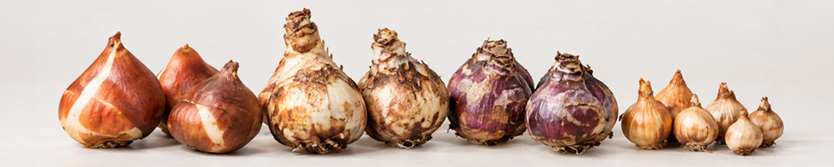
“Spring bulbs” is a general term for bulbs that are planted in the fall and bloom the following spring. Popular spring-flowering bulbs for Connecticut gardens include:
Tulips
Daffodils
Crocuses
Hyacinths
Alliums
Snowdrops
Different varieties bloom at different times, from early through late spring. Planting a mix of bulbs can help keep fresh color appearing in your garden for weeks.
When Should You Plant Spring Bulbs in Connecticut?
In Connecticut and throughout New England, the best time to plant spring bulbs is typically October through November, once temperatures have cooled but before the ground freezes. Cool soil allows bulbs to begin developing roots without encouraging too much above-ground growth before winter. Running late? Don’t give up on them. As long as the ground is still workable and not frozen, you can usually continue planting spring bulbs.
Where Should You Plant Spring Bulbs?
Most spring-flowering bulbs prefer well-draining soil. Avoid areas where water regularly collects, as bulbs can rot when they stay too wet. Many bulbs also grow best in full sun. However, areas beneath deciduous trees can be surprisingly good locations because they receive plenty of sunlight in early spring before the trees leaf out.
Try planting bulbs:
Along walkways and garden borders
Throughout perennial beds
Beneath deciduous trees and shrubs
In clusters for larger areas of spring color
For a more natural look, plant bulbs in groups or drifts instead of spacing them in a perfectly straight line.
How Deep Should You Plant Bulbs?
A good rule of thumb is to plant bulbs about two to three times as deep as the bulb is tall, usually with the pointed end facing upward. After planting, cover the bulbs with soil and water the area thoroughly. From there, winter takes care of much of the work.
Why Plant Spring Bulbs in the Fall?
Fall bulb planting is one of the easiest ways to plan ahead for your spring garden.
While your garden may look quiet during winter, bulbs are developing beneath the soil. Once temperatures begin to warm, crocuses, daffodils, tulips, alliums, and other spring flowers begin emerging—often providing some of the first color of the season.
At Moscarillo’s Garden Shoppe, we can help you choose spring bulbs for your Connecticut garden, figure out where to plant them, and select varieties that will bloom at different times.
A little planting this fall can make a big difference next spring.