
Blog Posts
- What to Cut Back in Fall (and What to Leave Until Spring)
- Spring Bulbs in Connecticut: Plant in Fall for Spring Color
- Your October Garden Checklist for Connecticut
- Fall Events at Moscarillo’s: Pumpkins, Kids’ Activities & Fall Planting
- Fall Color for Your Doorstep
- Bring on the Color: Trees & Shrubs for a Beautiful Fall Landscape
- Deer- and Rabbit-Resistant Perennials for Connecticut Gardens
- How to Revive a Tired-Looking Summer Garden
- How to help Trees and Shrubs survive a hot New England summer
- Heat-Tolerant Plants for Connecticut Gardens
- Bring the Buzz: Attracting Pollinators to Your Connecticut Garden
- Our 2026 Hydrangea Varieties
- 🌿 Celebrate Houseplant Month This January at Moscarillo’s
- The Best Christmas Plants to Brighten Your Home This Holiday Season
- Best Houseplants for Low-Light Winter Homes 🌿
- Winter Garden Prep: Connecticut
- Moscarillo’s Holiday Magic
- Sustainable Landscapes
- Pollinator Party
- What to Plant in April and May in Connecticut: A Vegetable Gardener’s Guide
- Revive Your Spring Planters: The Best Plants for a Stunning Seasonal Display
- How to Start an Herb Garden for Your Home
- How to Attract Pollinators to Your Garden This Spring
- Seed Starting 101
- Winter Houseplant Care: Keeping Your Green Friends Happy and Healthy
- Survive the Winter Blues with Houseplants! 🌱
- Poinsettia Care 101: How to Keep This Christmas Classic Thriving
- How to Choose the perfect Mum
- MUMS – How often and how do I water them?
- Fall Hydrangea Care: Deadheading and Preparing for Winter
- The Best Houseplants for Fall:
- Blooming Savings: Our Summer Customer Appreciation Event
- Savor Summer Freshness: Explore Our West Hartford Farmstand
- Embrace Sustainable Living: Fun Steps to Make a Big Impact 🌍✨
- How to Care for Rhododendrons
- Unlock the Beauty of Pansies: A Guide to Care and Planting
- Pruning in the Spring
- Seed Starting Guide
- Planting Dates for Spring
- Exploring the Enigmatic World of Rare and Exotic Plants
- Nurturing Greenery with Caution: A Guide to Pet-Safe Houseplants
- Creating a Pet-Friendly Oasis
- The Scary task of Nurturing the Fickle Fiddle Leaf Fig
- Navigating Common Plant Quandaries with Ease
- Mastering the Art of Calathea Care: A Guide to Taming the Leafy Divas
- Resilient Beauty: Caring for a Cactus
- Introducing: Easy to Care for Plants 🌱
- January is… Houseplant Month 2024!
- Winter Landscape Tips
- Lavender & Rosemary – Taking the stress away
- Attention → Your favorite holiday plants! (poinsettias, cypress, christmas cactus, oh my!)
- Transitioning Plants Indoors
- Pollinator Plants
- Landscape Recommendations
- Herbs & Vegetables at Moscarillo’s
- Want Privacy? Consider Arborvitae!
- Starting your Vegetable Garden
- Roses at Moscarillo’s
- Mulching
- Refresh your Landscape
What to Cut Back in Fall (and What to Leave Until Spring)
As Connecticut gardens wind down for the season, it’s tempting to grab the pruning shears and tidy everything up before winter. But not so fast! While some plants benefit from fall cleanup, others are better left alone until spring.
Knowing what to cut back—and what to leave standing—can make a big difference in how your garden looks next year.
What to Cut Back in Fall
Once temperatures drop and plants begin dying back, it’s a good time to clean up certain perennials.
Hostas: After the first hard frost, remove yellowed, collapsed foliage to help discourage slugs and pests.
Peonies: Cut stems down to about 2–3 inches above the ground after frost. Removing old foliage helps prevent fungal diseases.
Daylilies: Remove dead or yellowing foliage to keep beds tidy and reduce decaying plant material.
Bearded Irises: Remove dead or diseased leaves and debris around the rhizomes to help prevent rot and pests.
Diseased Perennials: Remove foliage affected by powdery mildew, leaf spot, or other diseases. Keep infected material out of your home compost pile.
Quick Tip: If your perennials are still green and healthy, leave them alone! They’re still storing energy in their roots for next spring.
What to Leave Until Spring
Some plants offer more benefits when left standing through winter, including protection from cold weather and food or shelter for wildlife.
Coneflowers (Echinacea): Dried seed heads provide food for birds, especially goldfinches.
Black-Eyed Susans (Rudbeckia): Leave seed heads and stems for birds and overwintering insects.
Ornamental Grasses: Leave grasses like miscanthus, switchgrass, and fountain grass standing to protect their crowns and add winter interest.
Sedum (Autumn Joy): Dried flower heads look beautiful under frost and snow.
Russian Sage: Leave woody stems in place until new growth begins in spring.
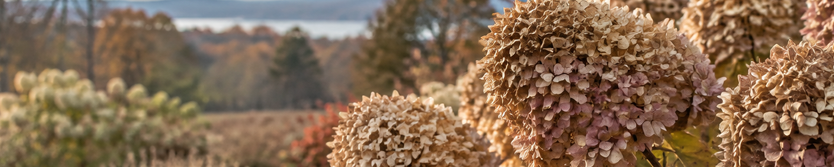
What About Hydrangeas?
Hydrangeas are one of the most common shrubs in Connecticut gardens, and knowing which variety you have is especially important when it comes to pruning.
Bigleaf Hydrangeas (Endless Summer, Nikko Blue): Many bloom on old wood, meaning next year’s buds are already forming. Avoid fall pruning to prevent losing flowers.
Oakleaf Hydrangeas: Also bloom on old wood. Prune shortly after flowering in summer, not fall.
Panicle Hydrangeas (Limelight, Quick Fire): Bloom on new growth and can be pruned in late winter or early spring.
Smooth Hydrangeas (Annabelle, Incrediball): Also bloom on new wood. Late winter or early spring is a good time to prune.
When in doubt, leave your hydrangeas alone until you know which variety you have!
Other Shrubs: Put Down Those Pruners!
Hydrangeas aren’t the only shrubs that need special attention.
Lilacs, Forsythia & Weigela: These spring-flowering shrubs develop next year’s flower buds during the previous growing season. Wait until immediately after they bloom to prune.
Azaleas & Rhododendrons: Avoid fall pruning, which can remove next spring’s flowers.
Butterfly Bush: Leave standing through winter and cut back in spring as new growth begins.
Rose of Sharon: Prune in late winter or early spring before new growth starts.
Roses: Avoid heavy fall pruning. Remove damaged or diseased growth as needed and save major shaping for spring.
A Little Less Cleanup Goes a Long Way
Connecticut winters can be tough on plants, and leaving some growth standing provides natural protection against freezing temperatures. Fallen leaves can also help insulate garden beds and shelter beneficial insects.
The key is knowing when to tidy up and when to let nature do its thing.
Not sure what type of hydrangea or shrub you have? Stop by Moscarillo’s Garden Shoppe! We’re always happy to help you keep your garden looking its best, season after season.