
Blog Posts
- Should You Keep Watering Your Garden in the Fall? Absolutely!
- Is It Too Late to Plant Trees and Shrubs in Connecticut?
- Fall Garden Cleanup in Connecticut: What to Clear and What to Leave Behind
- What to Cut Back in Fall (and What to Leave Until Spring)
- Spring Bulbs in Connecticut: Plant in Fall for Spring Color
- Your October Garden Checklist for Connecticut
- Fall Events at Moscarillo’s: Pumpkins, Kids’ Activities & Fall Planting
- Fall Color for Your Doorstep
- Bring on the Color: Trees & Shrubs for a Beautiful Fall Landscape
- Deer- and Rabbit-Resistant Perennials for Connecticut Gardens
- How to Revive a Tired-Looking Summer Garden
- How to help Trees and Shrubs survive a hot New England summer
- Heat-Tolerant Plants for Connecticut Gardens
- Bring the Buzz: Attracting Pollinators to Your Connecticut Garden
- Our 2026 Hydrangea Varieties
- 🌿 Celebrate Houseplant Month This January at Moscarillo’s
- The Best Christmas Plants to Brighten Your Home This Holiday Season
- Best Houseplants for Low-Light Winter Homes 🌿
- Winter Garden Prep: Connecticut
- Moscarillo’s Holiday Magic
- Sustainable Landscapes
- Pollinator Party
- What to Plant in April and May in Connecticut: A Vegetable Gardener’s Guide
- Revive Your Spring Planters: The Best Plants for a Stunning Seasonal Display
- How to Start an Herb Garden for Your Home
- How to Attract Pollinators to Your Garden This Spring
- Seed Starting 101
- Winter Houseplant Care: Keeping Your Green Friends Happy and Healthy
- Survive the Winter Blues with Houseplants! 🌱
- Poinsettia Care 101: How to Keep This Christmas Classic Thriving
- How to Choose the perfect Mum
- MUMS – How often and how do I water them?
- Fall Hydrangea Care: Deadheading and Preparing for Winter
- The Best Houseplants for Fall:
- Blooming Savings: Our Summer Customer Appreciation Event
- Savor Summer Freshness: Explore Our West Hartford Farmstand
- Embrace Sustainable Living: Fun Steps to Make a Big Impact 🌍✨
- How to Care for Rhododendrons
- Unlock the Beauty of Pansies: A Guide to Care and Planting
- Pruning in the Spring
- Seed Starting Guide
- Planting Dates for Spring
- Exploring the Enigmatic World of Rare and Exotic Plants
- Nurturing Greenery with Caution: A Guide to Pet-Safe Houseplants
- Creating a Pet-Friendly Oasis
- The Scary task of Nurturing the Fickle Fiddle Leaf Fig
- Navigating Common Plant Quandaries with Ease
- Mastering the Art of Calathea Care: A Guide to Taming the Leafy Divas
- Resilient Beauty: Caring for a Cactus
- Introducing: Easy to Care for Plants 🌱
- January is… Houseplant Month 2024!
- Winter Landscape Tips
- Lavender & Rosemary – Taking the stress away
- Attention → Your favorite holiday plants! (poinsettias, cypress, christmas cactus, oh my!)
- Transitioning Plants Indoors
- Pollinator Plants
- Landscape Recommendations
- Herbs & Vegetables at Moscarillo’s
- Want Privacy? Consider Arborvitae!
- Starting your Vegetable Garden
- Roses at Moscarillo’s
- Mulching
- Refresh your Landscape
Fall Garden Cleanup in Connecticut: What to Clear and What to Leave Behind
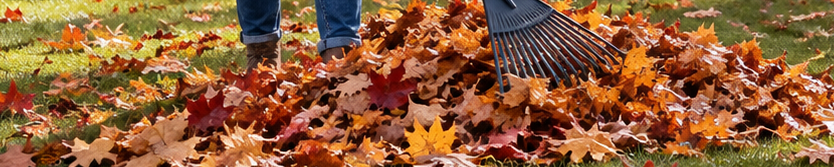
As the leaves begin to fall and temperatures drop across Connecticut, it’s time to start thinking about preparing our gardens for winter. Fall cleanup is an important part of keeping your landscape healthy, but does everything really need to be cut back, raked up, and removed?
Not necessarily! While some fall garden maintenance can prevent problems come spring, leaving certain areas a little messy can actually benefit your garden and the wildlife that calls it home.
Why Fall Cleanup Is Important
Connecticut winters can be tough on our landscapes. Between freezing temperatures, snow, and fluctuating weather conditions, taking care of a few important tasks in the fall can make a big difference when spring arrives.
A good fall cleanup helps:
Prevent pests and diseases: Removing diseased foliage, rotting vegetables, and infected plant debris can reduce the chance of problems returning next season.
Protect your lawn: Thick, wet layers of leaves can smother grass, block sunlight, and encourage fungal issues. Clearing heavy leaf buildup helps keep lawns healthy.
Prepare garden beds: Removing weeds and unwanted debris makes spring gardening easier, while adding organic mulch helps insulate plant roots during Connecticut’s cold winters.
Keep your landscape safe: Clearing leaves from walkways, drainage areas, and gutters helps prevent slippery surfaces and water buildup.
These simple tasks can save time and prevent unnecessary headaches once the growing season begins again.
But Wait! There’s a Good Reason to Leave Some Leaves
Before you grab the rake and start clearing everything away, consider who’s living beneath those fallen leaves.
Many of Connecticut’s native pollinators and beneficial insects rely on leaf litter, hollow plant stems, and garden debris to survive the winter. Bumblebee queens, butterflies, moths, and other helpful insects may spend the colder months tucked beneath leaves or sheltered in the soil.
Leaving some fallen leaves in garden beds, beneath shrubs, or along wooded edges provides natural insulation and valuable winter habitat.
The same goes for perennial plants! Rather than cutting everything back, consider leaving healthy stems and seed heads from plants like coneflowers, black-eyed Susans, and native asters. These can provide food for birds and shelter for insects throughout the winter.
As an added benefit, fallen leaves naturally break down over time, returning organic matter and nutrients to the soil.
Finding a Happy Medium
The good news? You don’t have to choose between a tidy landscape and a wildlife-friendly garden.
Focus your fall yard cleanup on areas that genuinely need attention. Keep lawns, walkways, and drainage areas clear, remove diseased plants and invasive weeds, and take care of necessary garden maintenance.
Meanwhile, allow healthy leaves to remain in garden beds, leave some perennial stems standing, and consider dedicating a quieter corner of your yard to overwintering wildlife.
A little messiness can be a good thing!
Here in Connecticut, preparing your garden for winter doesn’t have to mean stripping everything bare. A thoughtful fall cleanup can protect your landscape while giving pollinators and other beneficial wildlife a safe place to spend the colder months.
And come spring, your garden and its tiny inhabitants will be better off for it!