
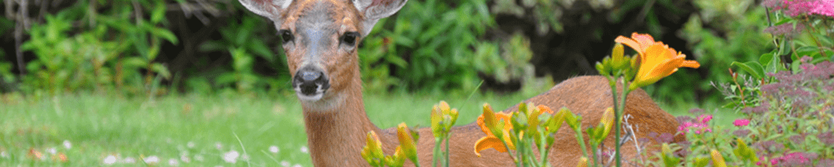
Gardening in Connecticut often means sharing the landscape with deer and rabbits. While no plant is completely wildlife-proof, certain perennials are far less appealing because of their strong fragrance, textured foliage, or bitter taste. Choosing these plants can help you create a colorful garden without constantly worrying about hungry visitors.
Bee Balm

Bee balm is a standout choice for sunny Connecticut gardens. Its aromatic foliage tends to discourage deer and rabbits, while its bright, shaggy flowers attract hummingbirds, butterflies, and bees.
Bee balm grows best in full sun to partial shade and prefers evenly moist, well-drained soil. Give plants enough space for good air circulation, which can help prevent powdery mildew during Connecticut’s humid summers. Depending on the variety, flowers may appear in red, pink, purple, or white.
Nepeta

Also known as catmint, nepeta is one of the most dependable perennials for a low-maintenance landscape. Its soft gray-green leaves have a minty scent that deer and rabbits usually avoid.
Nepeta thrives in full sun and well-drained soil. Once established, it handles dry conditions well and blooms for an extended period, often producing waves of lavender-blue flowers from late spring into summer. Trimming it back after the first flush can encourage fresh growth and additional blooms.
Agastache

Agastache, commonly called anise hyssop or hummingbird mint, brings vertical color and fragrance to the garden. Its leaves often have a licorice or mint-like aroma, making the plant less attractive to browsing animals.
Plant agastache in full sun with excellent drainage. It performs especially well in warm, sunny borders and pollinator gardens. The upright flower spikes attract bees, butterflies, and hummingbirds while adding height and movement to the landscape.
Astilbe

For Connecticut gardens with partial shade, astilbe is an excellent deer- and rabbit-resistant option. Its fern-like foliage and feathery flower plumes provide texture and color in areas where many sun-loving perennials will not thrive.
Astilbe prefers rich, consistently moist soil and protection from hot afternoon sun. Flower colors include white, pink, red, and lavender. It pairs beautifully with hostas and ferns, although those companion plants may be more vulnerable to wildlife.
Build a More Resilient Garden
Bee balm, nepeta, agastache, and astilbe offer dependable color across a range of Connecticut garden conditions. Bee balm, nepeta, and agastache are ideal for sunnier spaces, while astilbe brightens shaded beds.
For the best results, place each plant in its preferred light and soil conditions, and protect young plants until they become established. By combining wildlife-resistant foliage with pollinator-friendly flowers, you can create a Connecticut garden that is attractive, practical, and full of life. Find these and more at our nursery, or talk to our nursery/landscape specialists to come up with a garden that fits your needs!