
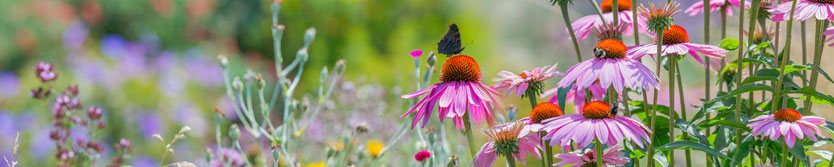
There’s nothing quite like a garden that feels alive: bees moving from bloom to bloom, butterflies drifting through the sunshine, and hummingbirds stopping by for a quick sip. Here in Connecticut, even a small garden bed, patio border, or sunny corner of the yard can become a welcoming place for pollinators.
Pollinator gardens are beautiful, but they also do important work. Bees, butterflies, moths, beetles, and hummingbirds help flowers, fruits, and vegetables grow by carrying pollen from plant to plant. As more natural habitat disappears, home gardens can make a real difference.
The best place to start is with plants that are well-suited to New England. Native and pollinator-friendly perennials tend to be easier to care for once established, and they provide the nectar, pollen, and host plants our local insects rely on. A strong Connecticut pollinator garden includes flowers that bloom from spring through fall, so there is always something available.
Some favorite pollinator plants for Connecticut gardens include:
Spring bloomers: creeping phlox, columbine, wild geranium, and serviceberry
Summer favorites: bee balm, milkweed, mountain mint, coneflower, black-eyed Susan, and anise hyssop
Late-season support: asters, goldenrod, Joe-Pye weed, and sedum
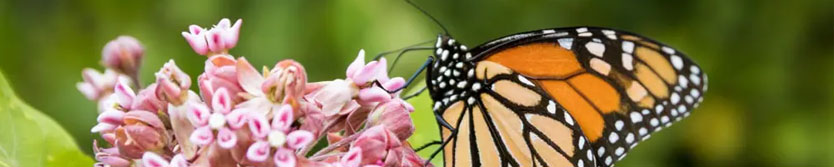
Milkweed is especially important because monarch butterflies depend on it as a host plant. Goldenrod and asters are also late-season heroes, feeding bees and butterflies when many other flowers have faded.
A few simple choices can make your garden even more inviting. Plant in groups rather than single plants so pollinators can easily find their food. Include different flower shapes and heights to support different species. Leave a few seed heads and stems standing through winter when you can, since many beneficial insects use them for shelter. And when possible, avoid insecticides, especially when plants are blooming.
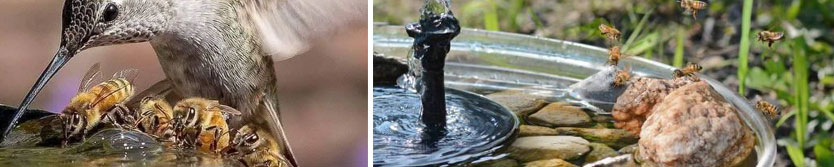
You do not need a huge yard to help pollinators. A sunny border, a mailbox garden, a few containers, or a new bed along the walkway can all become part of the solution. You can also make your garden more welcoming by adding a shallow water source, such as a small fountain, birdbath, or saucer with stones for pollinators to land on safely while they drink. Keep the water fresh, shallow, and easy to access.
For more pollinator resources and inspiration, visit the Pollinator Partnership at pollinator.org, one of the leading organizations dedicated to protecting pollinators and their habitats.
At our family-run garden shop, we love helping Connecticut gardeners create spaces that are beautiful, practical, and buzzing with life. Whether you are starting with one small bed or dreaming up a full pollinator garden, we can help with plant choices, layout, bloom timing, and design. Stop by the nursery to see our wide selection of pollinator plants, ask questions, and let us help you bring more bees, butterflies, and color into your garden this season.
If you need a pollinator garden designed, start talking to our landscape team by clicking here.